
Kingon
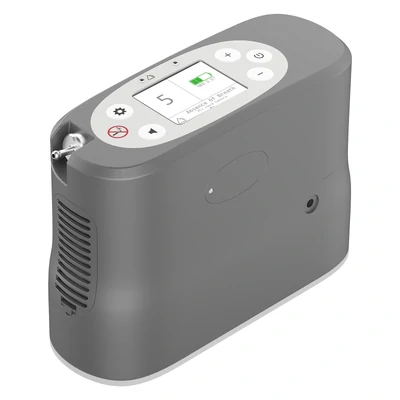
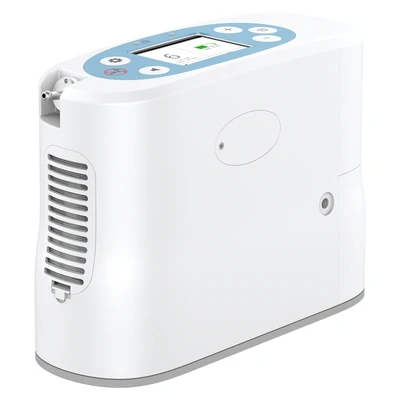
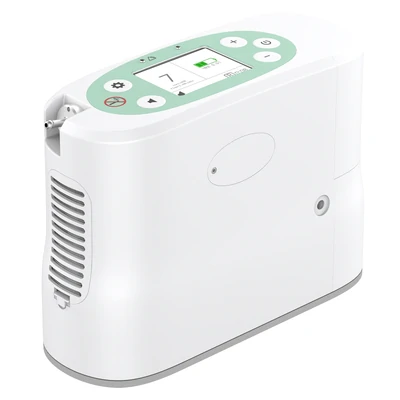
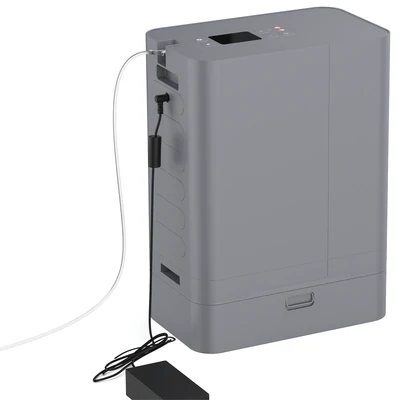
Kingon P2 TOC Transportable Oxygen Concentrator
SKU: KINP2TOC | MPN: P2TOC
Transportable oxygen concentrator delivering both continuous flow to 3 LPM and pulse dose to 2,000 ml/min at 90% concentration. Rated for 24-hour use on mains power. Cart, external charger and a year of cannulas included. ARTG listed.
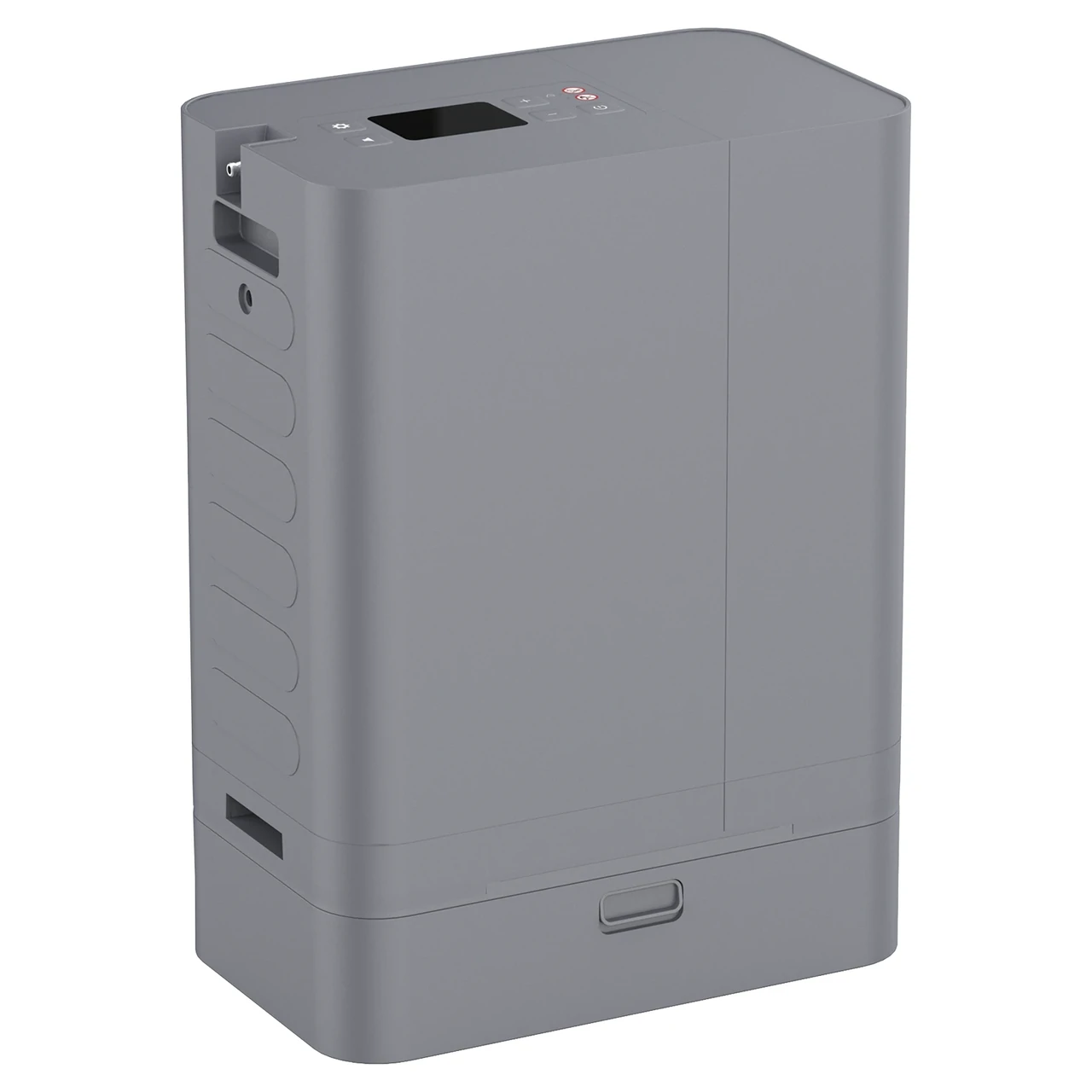
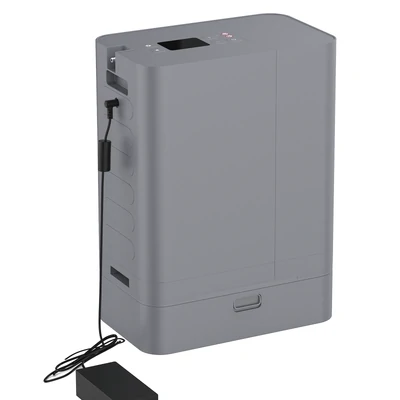
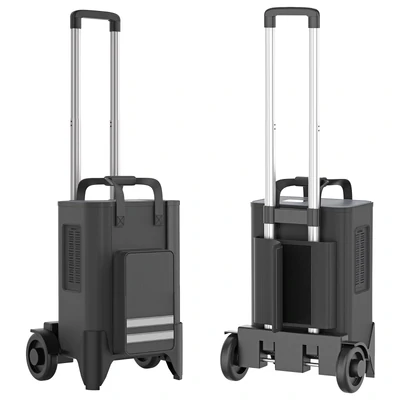
The Kingon P2-TOC is the only concentrator in the Kingon range that delivers both continuous flow and pulse dose oxygen — up to 3 LPM continuous across five settings, or up to 2,000 ml/min pulse across ten. It is rated for continuous duty 24 hours a day on mains power, and runs up to 6 hours 36 minutes on its battery module. The continuous flow mode is also what allows oxygen to be added to CPAP therapy, which no pulse dose concentrator can do. It weighs 8kg and travels on the supplied cart.
A Specification Gate, Not a Comparison
Where a prescription specifies continuous flow, this is the only Kingon that meets it. The P2-E, P2-E6 and P2-E7 are pulse dose only and do not qualify at any output or price — the two are different therapies, not different grades of one.
That also explains the pricing. The P2-TOC sits below the P2-E7 despite doing more, because they are not competing for the same specification: the premium on the E7 buys 1.98kg and the independence that brings, not output.
One Asset Instead of Two
Clients on continuous flow oxygen are commonly issued two devices: a stationary concentrator for the home and something smaller for leaving it. The manual rates the P2-TOC for continuous duty, 24 hours a day on AC or DC power, so one unit covers both — one purchase, one asset record, one service history and one consumables line rather than two.
Delivery Modes
| Mode | Settings | Range | Battery, lowest setting |
|---|---|---|---|
| Continuous flow | Five (1–5) | 1.0, 1.5, 2.0, 2.5, 3.0 LPM | 3h 06min at 1.0 LPM |
| Pulse dose | Ten (1–10) | 0.2 to 2.0 L/min | 6h 36min at setting 1 |
Concentration holds at 90% (−3% / +6%) across every setting in both modes. Continuous flow is battery-limited by nature, since the device produces oxygen constantly rather than in bursts — the manual recommends mains power for extended continuous therapy.
Oxygen Alongside CPAP Therapy
This is the practical difference between the P2-TOC and the rest of the range, and it is worth being precise about.
Adding supplemental oxygen to CPAP therapy requires a continuous flow source. Pulse dose concentrators cannot do it — delivery is triggered by the device detecting the patient drawing breath, and inside a pressurised circuit there is no breath signal to detect. That rules out the P2-E, P2-E6 and P2-E7 regardless of their output.
The P2-TOC delivers continuous flow from 1.0 to 3.0 LPM, which is the mode that arrangement calls for, connected through an oxygen port or enrichment adapter fitted to the circuit. Flow rate and clinical suitability are for the prescriber to determine — contact us before ordering and we will confirm what the connection requires.
Built-In Fire Breaker
Oxygen accelerates combustion, which is why a client who smokes despite advice is a standing risk in any care plan.
The P2-TOC has a countermeasure built into the device. A temperature sensor at the oxygen outlet detects an open flame reaching the nozzle and shuts off oxygen flow immediately, sounds three beeps at five-second intervals, extinguishes the oxygen indicator light and powers the unit down after ten minutes. Following any such event the unit must not be restarted for at least 30 minutes after the flame is removed, and should be reported before being returned to use.
It does not remove the need for a risk assessment, but it is an engineering control rather than a warning label — a meaningful distinction when one is required.
Clinical Indications
Indicated for adult patients prescribed supplemental oxygen in a home healthcare environment — indoors, outdoors or in vehicles — where the prescription calls for continuous flow, or where the requirement may move between continuous and pulse delivery.
At 8kg it is wheeled rather than carried, so it is not the right specification where a client must manage the device unaided while walking — for that, see the portable models above.
Service Life and Consumables
The manufacturer publishes clear intervals, which is more than most:
- Device — five years expected service life.
- Battery module — 500 charge cycles, with an alert at that point or when health falls below 50%.
- Sieve beds — 24 months, and unlike the portable models these are technician-replaced rather than field-replaceable.
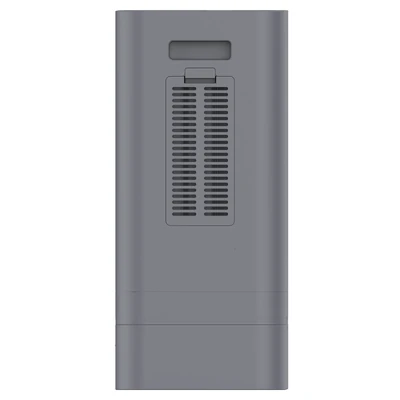
- Intake filters — two fitted. The smaller is cleaned weekly and replaced six-monthly; the larger cleaned monthly and replaced annually. Do not run the unit without both.
Replacement filters and cannulas are available through oxygen therapy accessories. Warranty is three years, extending to five at no cost on registration with Kingon within 14 days, with 12 months on the battery module and sieve bed.
Regulatory and Funding
Included in the ARTG under entry 519431 — a separate entry to the portable models. Class II, Type BF, IP22, rated for continuous duty. Servicing is supported through an Australian network.
MEC is an NDIS registered provider, a DVA approved supplier and an approved care package provider. Contact us before ordering against a plan, entitlement or package and we will issue documentation in the form your funding body requires.
What's in the Box
- 1 × Kingon P2-TOC transportable oxygen concentrator
- 2 × lithium-ion battery modules
- 1 × external battery charger
- 1 × cart
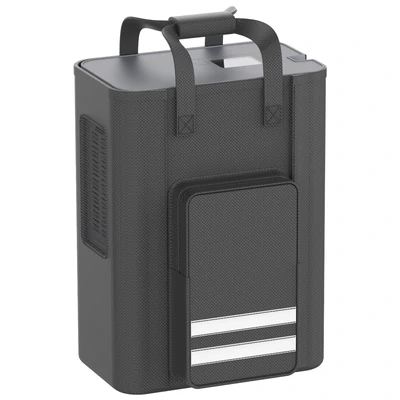
- 1 × carry bag
- 1 × AC power supply
- 1 × DC power supply for vehicle use
- 12 × nasal cannulas — a year's supply
- 1 × extension tubing
- 1 × swivel connector
- 2 × sets of air filters
- Continuous flow — suits CPAP oxygen setups
- Continuous to 3 LPM, five settings
- Rated for 24-hour use on mains power
- Built-in fire breaker safety cut-off
- Cart, charger and 12 cannulas included
- Five-year warranty on registration
| Specification | Detail |
|---|---|
| Device type | Transportable oxygen concentrator — pulse dose and continuous flow |
| Oxygen concentration | 90% (−3% / +6%) at all settings, both modes |
| Continuous flow | Five settings — 1.0, 1.5, 2.0, 2.5, 3.0 LPM |
| Pulse dose | Ten settings — 0.2 to 2.0 L/min |
| Weight | 8.0 kg ± 0.1 kg including battery module |
| Dimensions (L × W × H) | 28.2 × 17.1 × 38.2 cm |
| Sound level | 40 dB(A) at pulse setting 2; 45.3 dB(A) at 3 LPM continuous (Prüfmethode 14-1 10/2018 MDS-Hi) |
| Display | 2.8" colour LCD |
| Warm-up time | 5 minutes to rated flow and concentration |
| Breathing frequency range | 10 to 40 breaths per minute |
| Outlet pressure | Pulse 20 PSI ±10%; continuous 5 PSI ±10% |
| Battery module | BA-M650 — 14.4 V DC |
| Battery duration | Up to 6h 36min at pulse setting 1; 3h 06min at 1.0 LPM continuous |
| Battery service life | 500 charge cycles |
| Recharge time | Up to 5 hours; approx. 3h 24min to 90% in standby |
| AC power | 100–240 VAC, 50–60 Hz |
| DC power | 11–16 V DC. Limited to pulse settings 1–8 and 1–2.0 LPM continuous |
| Continuous operation | 24 hours a day on external AC or DC power |
| Filtration | Two intake filters plus pre-filter cover |
| Sieve beds | 24-month expected life; technician-replaced |
| Safety | Built-in fire breaker; 23 alarm types; audio alarm ≥ 45 dB(A) |
| Patient interface | Single-lumen nasal cannula |
| Operating environment | 5°C to 40°C, 10–90% humidity non-condensing, 0 to 3,048 m |
| Classification | Class II, Type BF, IP22. Not for cardiac application. Not life-supporting |
| Expected service life | 5 years |
| Air travel | Manufacturer states conformity with applicable FAA requirements for POC carriage |
| Warranty | 3 years standard, extending to 5 on registration within 14 days; 12 months on battery module and sieve bed |
| SKU | KINP2TOC |
| Model # | P2TOC |
| Brand | Kingon |
| Shipping Weight | 8.0000kg |
| Unit Of Measure | Each |