

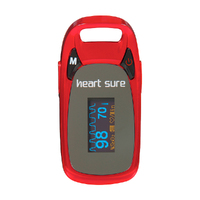
A pulse oximeter measures oxygen saturation (SpO2) and pulse rate through the skin, using a sensor clipped or taped to a finger, toe, ear or forehead. MEC supplies pulse oximeters for home and clinical use — from fingertip and wrist-worn units for spot checks to Nellcor handheld and bedside monitors — along with the OxiMax sensors, wraps and accessories wards and clinics reorder.
Shop oximeters, SpO2 sensors or oximeter accessories.
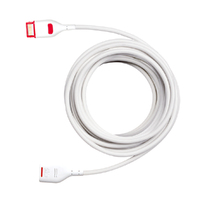
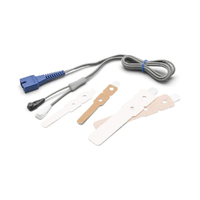
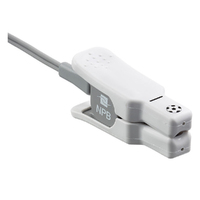
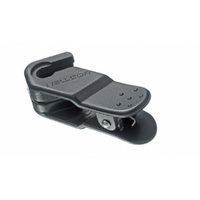
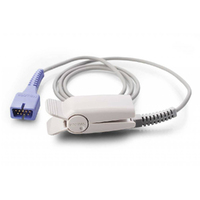
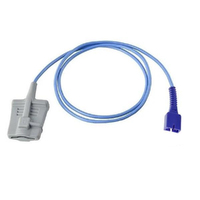
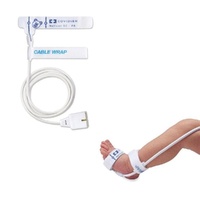
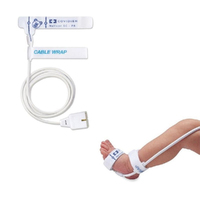
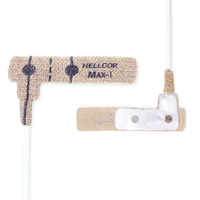
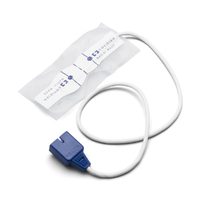
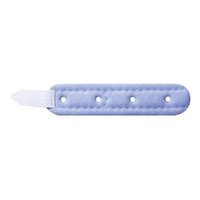
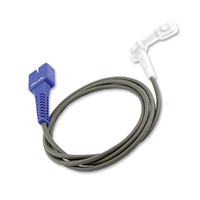
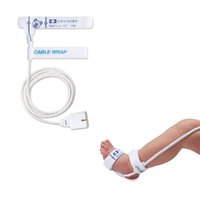
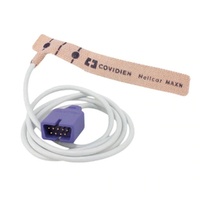
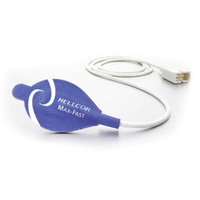
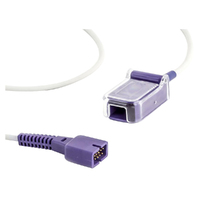
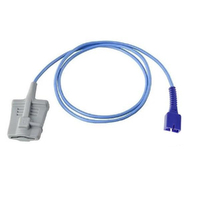
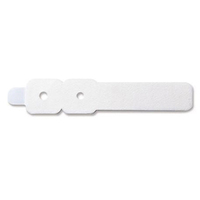
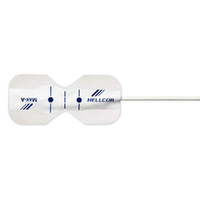
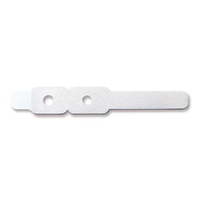
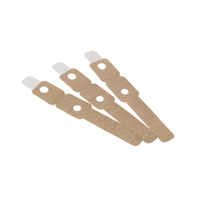
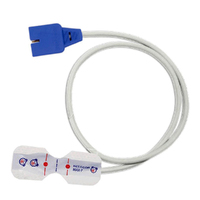
Nellcor™ OxiMax™ Long Sensor - Child / Adult - 30kg - Box 24
SKU: NELMAX-ALI
$1,325.00 RRP $1,556.00
The right oximeter depends on whether you need a quick spot check or continuous monitoring, and who the patient is.
| Type | How it works | Best suited to | At MEC |
|---|---|---|---|
| Fingertip pulse oximeter | A self-contained clip with a built-in display that sits on the fingertip. | Quick spot checks at home, on home visits or in a consulting room. | Heart Sure A320 |
| Wrist-worn pulse oximeter | The display unit straps to the wrist and connects to a soft finger sensor. | Longer or overnight recordings where a fingertip unit would be knocked off. | See oximeters |
| Handheld monitor | A portable monitor with a separate sensor on a cable, for spot checks or continuous monitoring. | Wards, transport, community nursing and home care. | Nellcor Portable SpO2 (PM10N) |
| Bedside monitor | A compact monitor for continuous SpO2 and pulse rate monitoring with trend data and alarms. | Hospital beds and home care, with home care and sleep study modes. | Nellcor Bedside SpO2 (PM100N) |
Nellcor handheld and bedside monitors use Nellcor OxiMax sensors, which come in two kinds:
Match the sensor to the patient's weight and the monitoring time, and keep replacement wraps and adhesive strips on hand for reusable sensors. During continuous monitoring, check the sensor site regularly and move the sensor as the instructions direct.
Poor circulation, cold skin, skin thickness, skin pigmentation, smoking and nail polish can all affect a reading. Warm the hand first, rest it below heart level, keep still, and wait for the number to settle before recording it.
Oxygen saturation (SpO2), shown as a percentage, and pulse rate in beats per minute. Many models also show a perfusion index (PI) and a pulse waveform, which indicate how strong the signal is at the sensor site.
A fingertip oximeter is the simplest choice for quick checks. A wrist-worn oximeter is better for longer or overnight recordings, because the finger sensor is lighter and stays in place while you move or sleep.
No. Most smartwatch blood-oxygen features are designed for general wellness, not medical use. For clinical decisions, use a pulse oximeter intended for medical use and follow your doctor's advice on your target oxygen level.
Ordering sensors for a ward, clinic or aged-care facility? Contact our team for volume pricing and product advice.