

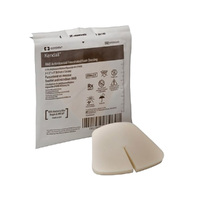
Foam dressings absorb wound exudate while keeping the wound bed moist, and cushion the area against pressure and friction. MEC stocks bordered and non-bordered foam dressings — including Mölnlycke Mepilex, Allevyn and PolyMem — plus shaped sacrum and heel dressings for the areas where pressure injuries most often develop.
Shop bordered foam dressings, non-bordered foam dressings or sacrum and heel dressings.
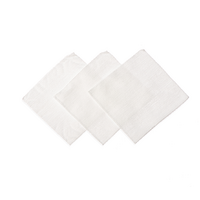
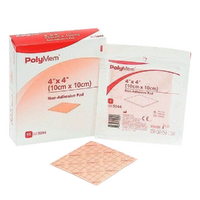
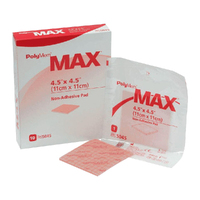
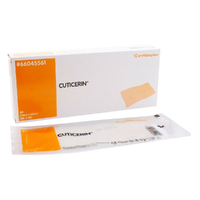
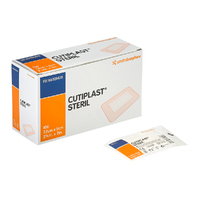
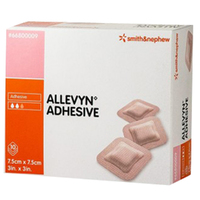
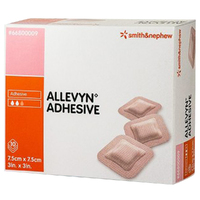
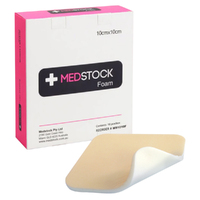
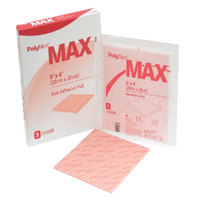
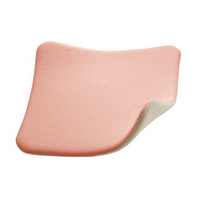
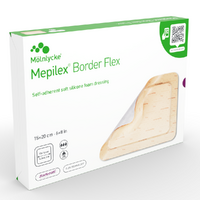
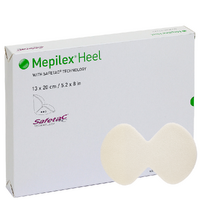
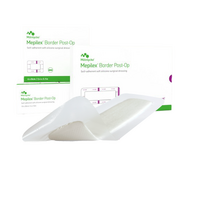
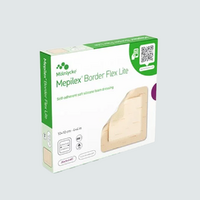
Most foam dressings do the same basic job. The choice comes down to how the dressing is held in place, where on the body it goes, and whether the wound needs an antimicrobial.
| Type | What it is | Best suited to | At MEC |
|---|---|---|---|
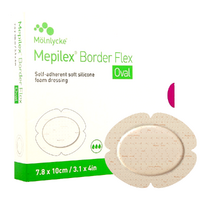
| Bordered foam dressing | A foam pad with an adhesive border, often soft silicone, so no tape or secondary dressing is needed. | Most everyday wound care, including post-operative wounds and skin tears. | Mepilex Border Flex, Mepilex Border Flex Oval, Mepilex Border Post-Op |
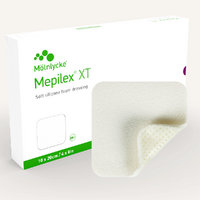
| Non-bordered foam dressing | A foam pad without an adhesive border, held in place with tape, a bandage or a retention garment. Can often be cut to shape. | Fragile skin, awkward shapes, or wounds that need a bandage or compression over the dressing. | Mepilex XT, Allevyn Non-Adhesive, PolyMem |
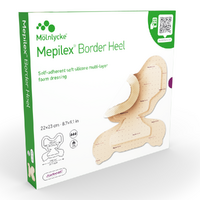
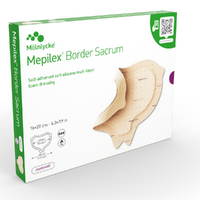
| Sacrum and heel dressing | Shaped foam dressings designed to stay in place on the sacrum or heel. | Pressure injury care on the sacrum and heels, where standard shapes lift or wrinkle. | Mepilex Border Heel, Mepilex Heel |
| Antimicrobial foam dressing | A foam dressing containing silver or another antimicrobial agent. | Wounds that are infected or at high risk of infection, as directed by a clinician. | Silver (Ag) dressings, including Mepilex Ag |
Soft silicone adhesives, such as Mölnlycke's Safetac layer on Mepilex dressings, lift away more gently than acrylic adhesives, which makes them a common choice for older patients and fragile skin. Size the dressing so the foam pad covers the wound with a margin of healthy skin around it.
Mepilex is Mölnlycke's range of soft silicone foam dressings. It includes bordered dressings (Mepilex Border Flex and Border Post-Op), non-bordered dressings (Mepilex XT), shaped heel and sacrum dressings, and Mepilex Ag with silver.
It depends on the product and the wound. Many foam dressings can stay on for several days, but change the dressing as the manufacturer's instructions and the wound care plan direct, and sooner if exudate reaches the edge of the pad or the dressing lifts.
A bordered dressing sticks to the skin on its own. A non-bordered dressing needs tape, a bandage or a garment to hold it in place, but can be cut to shape and suits skin where adhesive isn't wanted.
Ordering dressings for a ward, clinic or aged-care facility? Contact our team for volume pricing and product advice.