
Home ventilators and non-invasive ventilation (NIV) devices support breathing for people with neuromuscular disease, chronic lung disease, obesity hypoventilation and complex sleep-disordered breathing. MEC supplies the ResMed Astral 150 life-support ventilator, bilevel and NIV devices from ResMed, Löwenstein and Philips, and the circuits, filters, batteries and mounting accessories that keep them running — for hospitals, respiratory services and people ventilated at home.
Shop ventilators, NIV and bilevel devices, ventilator consumables or ventilator accessories.
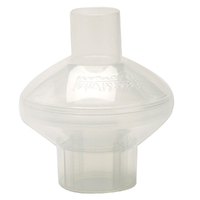
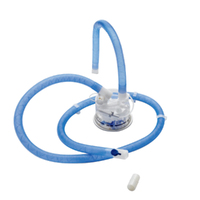
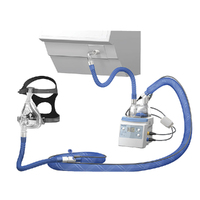
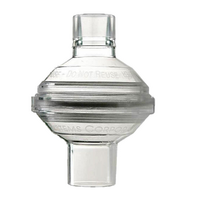
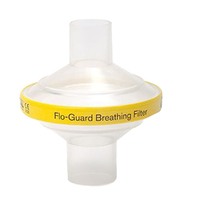
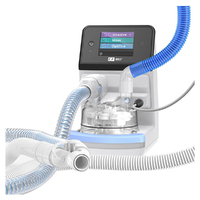
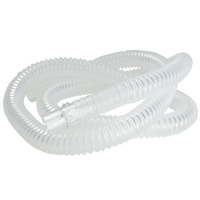
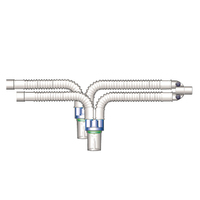
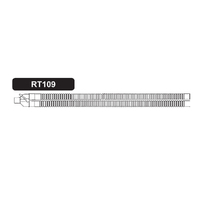
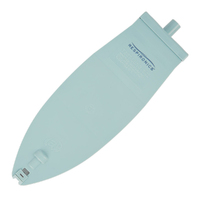
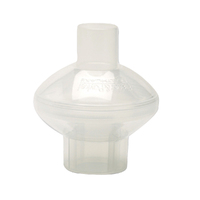
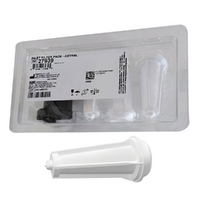
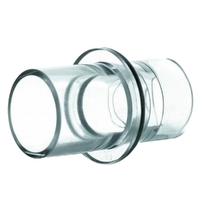
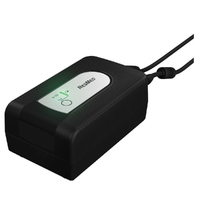
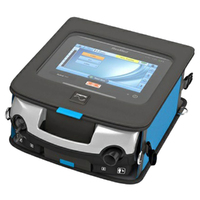
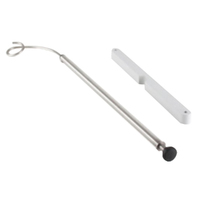
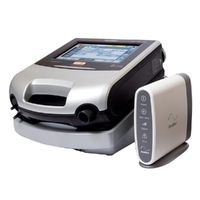
| Device type | What it does | At MEC |
|---|---|---|
| Life-support ventilator | Delivers invasive (tracheostomy) or non-invasive ventilation, including mouthpiece ventilation, with internal and external battery options for full-time or portable use. | ResMed Astral 150 |
| Bilevel (BiPAP / VPAP) | Non-invasive ventilation by mask, with a higher pressure on the breath in and a lower pressure on the breath out. S/T models add a backup breath rate. | ResMed Lumis 100 VPAP S, Lumis 150 VPAP ST, Löwenstein prisma25ST, Philips DreamStation Auto BiPAP |
| Volume-assured NIV | Bilevel ventilation that adjusts pressure support to reach a target ventilation as the patient's needs change. | ResMed Lumis 150 VPAP ST-A (iVAPS), Philips DreamStation BiPAP AVAPS |
| Adaptive servo-ventilation (ASV) | Treats central, mixed and complex sleep apnoea, including Cheyne-Stokes respiration, by adjusting support breath by breath. | ResMed AirCurve 10 CS PaceWave, Philips DreamStation AutoSV, Löwenstein prismaCR |
Ventilation devices are prescribed and set up by a respiratory physician or sleep and ventilation service, who chooses the mode, settings, interface and circuit. MEC supplies the equipment and consumables to that prescription — contact our team for a quote on a ventilator or NIV device.
A bilevel (BiPAP) machine provides non-invasive ventilation through a mask, usually overnight. A life-support ventilator such as the Astral 150 can also ventilate through a tracheostomy or mouthpiece, has more modes and alarms, and runs on internal and external batteries for full-time or portable use.
NIV supports breathing through a mask rather than a tube in the airway. It is commonly used at home for neuromuscular disease, COPD with high carbon dioxide levels and obesity hypoventilation syndrome.
ST (spontaneous/timed) machines add a backup breath rate if the patient doesn't breathe on their own. The ResMed Lumis 150 ST-A adds iVAPS, which adjusts pressure support to reach a target ventilation.
Setting up home ventilation for a patient, ward or respiratory service? Contact our team — we can help with devices, consumables and ongoing supply. See also cough assist and suction.