


A nebuliser turns liquid medication into a fine mist that is breathed in through a mouthpiece or mask, delivering it straight to the airways. MEC supplies nebulisers for home and clinical use — compressor and portable mesh nebulisers from Omron and PARI, and Aerogen vibrating mesh nebulisers for ventilated, NIV and high-flow patients — along with the replacement kits, masks, tubing and filters that keep them working.
Shop nebuliser machines, nebuliser consumables or nebuliser accessories.


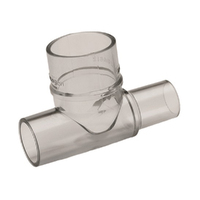


Nebulisers differ mainly in how they make the mist, and that decides where each one fits best.
| Type | How it works | Best suited to | At MEC |
|---|---|---|---|
| Compressor (jet) nebuliser | A mains-powered compressor pushes air through a nebuliser bowl to aerosolise the medication. | Regular treatments at home, at a bedside or in a clinic. | Omron NEC801, PARI BOY Classic |
| Portable mesh nebuliser | A vibrating mesh with microscopic holes produces the mist. Battery powered, compact and quiet. | Travel, work, school, or anyone who needs treatment away from a power point. | Omron MicroAIR U100 |
| Clinical vibrating mesh nebuliser | Sits in-line in the breathing circuit, and the medication cup can be refilled without opening the circuit. | Hospital and home-ventilation patients on mechanical ventilation, NIV or high-flow therapy, as well as spontaneously breathing patients. | Aerogen Solo with the Pro-X Controller or USB Controller |
For home use, choose a compressor if the nebuliser will mostly be used in one place, and a mesh nebuliser if it has to travel. A mouthpiece suits most adults and older children. A mask suits young children and anyone who can't keep a seal around a mouthpiece.
For wards and ICUs, the Aerogen Solo is single patient use for up to 28 days intermittent or 7 days continuous use. The Pro-X Controller is reusable across patients, so procurement teams usually stock the two separately.
Nebuliser kits, masks and filters are specific to each brand and model, so check your machine's model number before ordering replacement consumables. The National Asthma Council's guidance is to replace the bowl, tubing and mask or mouthpiece about every 3 months, and to have the compressor serviced and its filter changed every 6–12 months depending on use. Follow the manufacturer's cleaning instructions after every treatment.
A compressor nebuliser uses pressurised air from a mains-powered pump and suits regular treatments in one place. A mesh nebuliser uses a vibrating mesh, runs on batteries and is much quieter and more portable.
No prescription is needed to buy a nebuliser machine or its consumables from MEC. The medication you use in it is prescribed by your doctor or supplied by your pharmacist, and your doctor should confirm a nebuliser is the right device for you.
Only if your doctor or respiratory team has recommended it. Use sterile, single-use saline ampoules, not saline sold for contact lenses or wound care — you'll find these in saline and sodium chloride.
Ordering for a ward, clinic or aged-care facility? Contact our team for volume pricing and product advice.